


599 items in the WWII Store
Show listings by category...

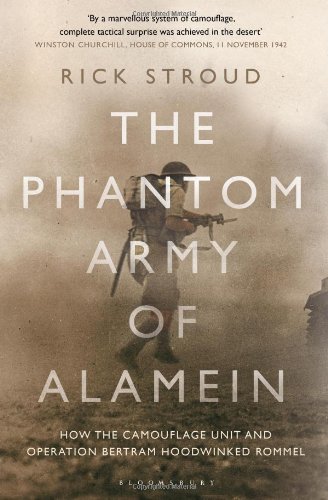
The Phantom Army of Alamein:
How the Camouflage Unit Hoodwinked Rommel
Hardcover (288 pages), paperback, kindle, audiobook
Renowned stage magician Jasper Maskelyne and his "Magic Gang" used their skills to weave intricate webs of deception, making things appear that weren't actually there, and things that were, disappear, to deceive the enemy.

Russia's Life-Saver:
Lend-Lease Aid to the USSR in World War II
Hardcover (186 pages), paperback
"The United States is a country of machines. Without the use of these machines through Lend-Lease, we would lose this war." —Josef Stalin, 1943
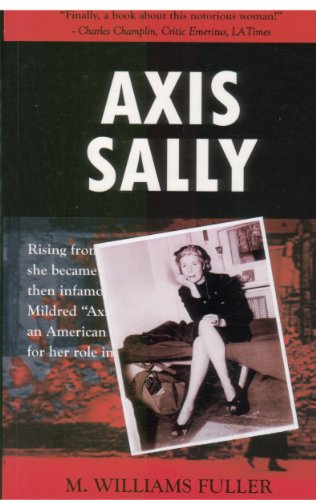
Axis Sally
Paperback (370 pages), kindle
Mildred Gillars, an American broadcaster employed by the Third Reich in Nazi Germany to proliferate propaganda during WWII, became the most notorious female of the 20th Century.
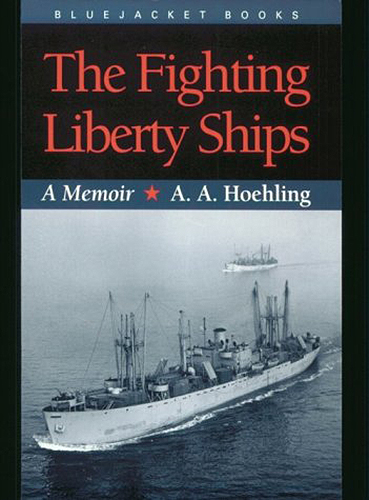
The Fighting Liberty Ships:
A Memoir
Hardcover (166 pages), paperback
A very readable book about the armed guard on Liberty Ships. It gives good insight on what it was like serving on a Liberty Ship during WWII.
Japan Prepares for Total War:
The Search for Economic Security, 1919-1941
Paperback (292 pages), kindle
Japan's internal political dynamics, especially the bitter rivalry between its army and navy, played a far greater role in propelling the nation into war with the US than did its economic condition or even pressure from Washington.

Office of Price Administration Tokens:
Complete Image Resource & Checklist
Kindle only (~98 pages)
Token, Token, Who has a Token? War rationing affected every family throughout the US and these little red and blue tokens became a way of life on the home front. A complete pictorial reference of the OPA Tokens available for collecting today.

A Convenient Hatred:
The History of Antisemitism
Paperback (432 pages), kindle
The ways that we, as individuals and as members of a society, make distinctions between "us" and "them," right and wrong, good and evil.
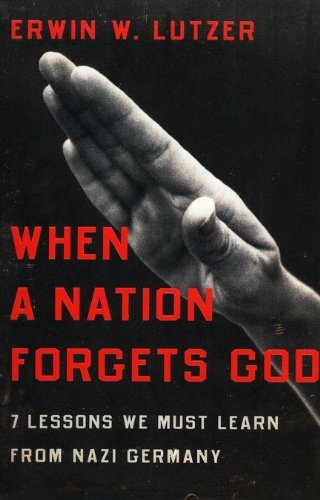
When a Nation Forgets God:
7 Lessons We Must Learn from Nazi Germany
Paperback (160 pages), kindle
When given a choice, people will choose bread and sausage above the free market and individual liberties. The promise of bread gets votes, even if the bread is at the expense of freedom.
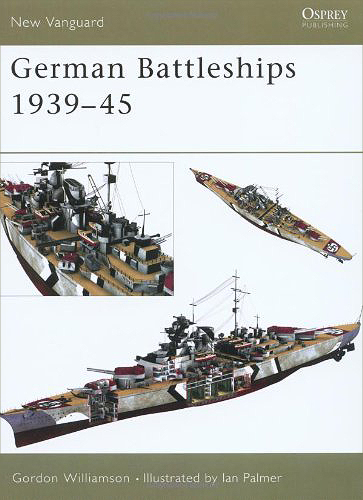
German Battleships 1939-45
Paperback (48 pages), kindle
The design, development and operational use of the battleships used by the Kriegsmarine.

The Wit and Wisdom of Winston Churchill:
A Treasury of More than 1000 Quotations
Paperback (258 pages), kindle
The timely and amazing Sir Winston Churchill was perhaps the greatest statesman in history and a master wordsmith to boot, both in phrasing the serious as well as the absurd.
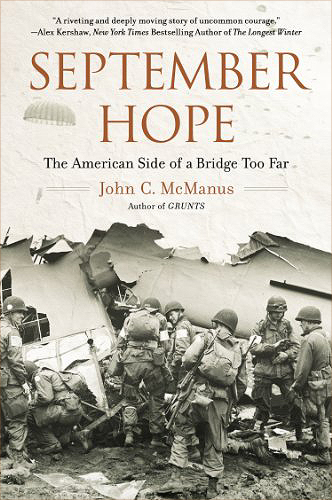
September Hope:
The American Side of a Bridge Too Far
Paperback (512 pages), kindle, audiobook
Operation Market Garden, a most ambitious invasion and an immense, daring offensive to defeat Nazi Germany before the end of 1944. The Germans, however, proved much stronger than the Allies anticipated.
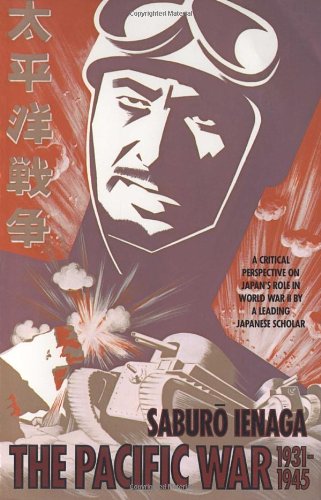
Pacific War, 1931 - 1945
Paperback (336 pages), kindle
Americans may be startled to pick up a 256-page book about the Pacific War and discover that Pearl Harbor isn't mentioned until page 135.
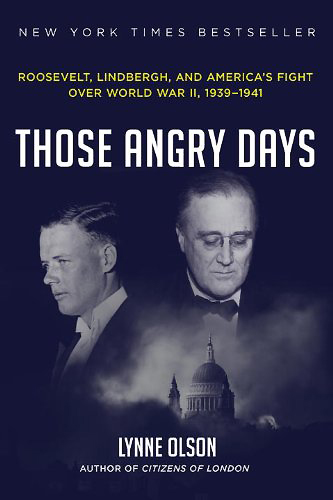
Those Angry Days:
Roosevelt, Lindbergh, and America's Fight Over World War II, 1939-1941
Paperback (576 pages), kindle, audiobook
The debate over American intervention in WWII was a bitter clash of personalities and ideas that divided the nation and ultimately determined the fate of the free world.
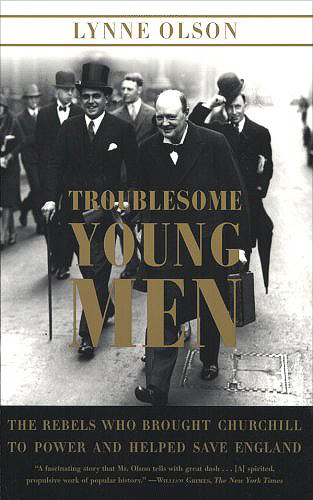
Troublesome Young Men:
The Rebels Who Brought Churchill to Power and Helped Save England
Paperback (448 pages), kindle
On May 7, 1940, the House of Commons began perhaps the most crucial debate in British parliamentary history. On its outcome hung the future of Prime Minister Neville Chamberlain's government and also of Britain -- indeed, perhaps, the world.
World War II For Dummies
Paperback (436 pages), kindle
Good guys won. Bad guys lost. What else is there to know? A lot! So much so that a simplified overview can be very helpful to those just beginning to develop a passion for World War II.

The War Against The Nazi U-Boats 1942 - 1944:
The Antisubmarine Command
Paperback (181 pages), kindle
To fight the sinking of ships carrying supplies to England, an audacious plan was created to counter the German submarines using long-range B-24 bombers.
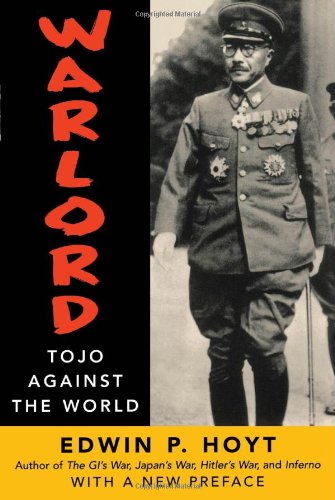
Warlord:
Tojo Against the World
Paperback (280 pages), kindle
Vilified in the West as the Japanese equivalent of Hitler, Hideki Tojo was cut from very different cloth.
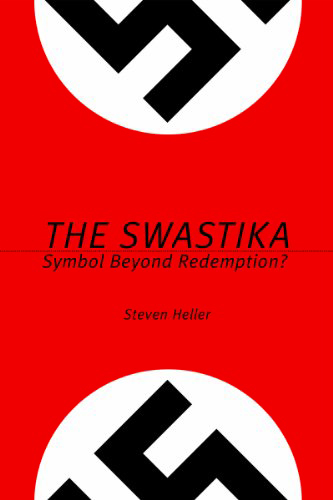
The Swastika:
Symbol Beyond Redemption?
Hardcover (184 pages), paperback, kindle
The rise and fall of the forever tainted swastika, and its mysteries and misunderstandings, are fully explained and explored.
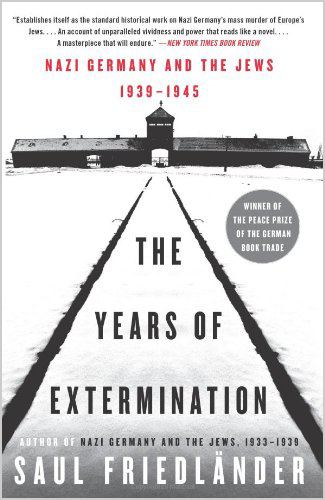
Nazi Germany and the Jews, 1939-1945:
The Years of Extermination
Hardcover (896 pages), paperback, kindle
The murder of six million Jews depended upon the cooperation of local authorities and police departments, as well as the passivity of the local populations and the victims' willingness to submit.
