599 items in the WWII Store
Show listings by category...

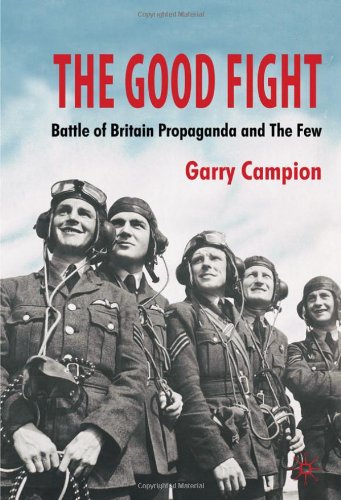
The Good Fight:
Battle of Britain Propaganda and The Few
Paperback (400 pages), kindle
Churchill's "Few" were central to national survival during the Battle of Britain, and the morale of millions was sustained through their heroism - a potent propaganda victory within a military success.

Reach for the Sky:
The Story of Douglas Bader, Legless Ace of the Battle of Britain
Paperback (320 pages), audiobook
After losing both legs in an air crash in 1931 and being dismissed as a cripple by the Royal Air Force, Douglas Bader fought his way back into the cockpit of a Spitfire to become one of the great heroes of the Battle of Britain.

The Hardest Day:
The Battle of Britain: 18 August 1940
Hardcover (256 pages), paperback
The compelling minute-by-minute account of one single day in the Battle of Britain, on which the Luftwaffe launched three major air assaults on Britain, changing the destiny of the war.
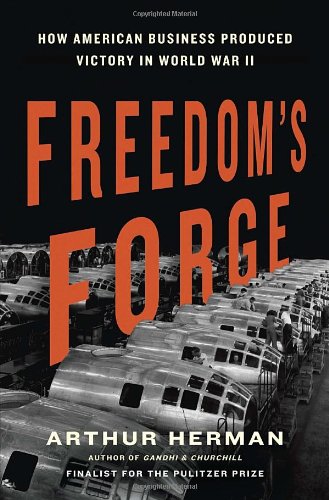
Freedom's Forge:
How American Business Produced Victory in World War II
Hardcoer (432 pages), kindle, audiobook
Remarkable as it may seem today, there once was a time when the president of the United States could pick up the phone and ask the president of General Motors to resign his position and take the reins of a great national enterprise. And the CEO would oblige, no questions asked, because it was his patriotic duty.

Bishop von Galen:
German Catholicism and National Socialism
Hardcover (272 pages), kindle
Clemens August Graf von Galen, Bishop of Munster from 1933 until his death in 1946, is renowned for his opposition to Nazism, most notably for his public preaching in 1941 against Hitler's euthanasia project to rid the country of sick, elderly, mentally retarded, and disabled Germans.
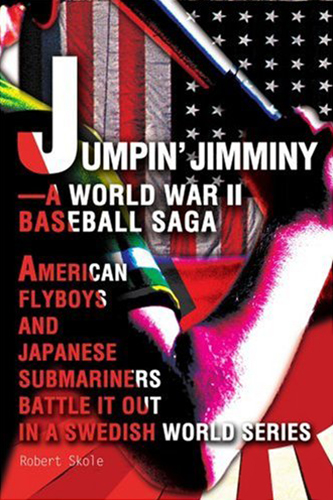
Jumpin' Jimminy - A World War II Baseball Saga:
American Flyboys and Japanese Submariners Battle it Out in a Swedish World Series
by Robert Skole
Paperback (190 pages), kindle
When the Jumpin' Jimminy, a Flying Fortress shot up in a raid over Nazi Germany, crash lands in neutral Sweden in the autumn of 1944, its crew couldn't dream they would wind up playing a World Series. Especially a Series against tough enemy Japanese sailors from a submarine that went aground on Sweden's rocky coast.
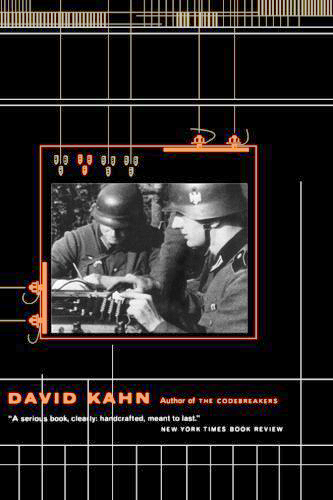
Hitler's Spies:
German Military Intelligence In World War II
Paperback (671 pages)
Filled with episodes of intrigue and adventure, the workings of German intelligence is revealed, explaining Germany's failure to best the Allies at the spy game.
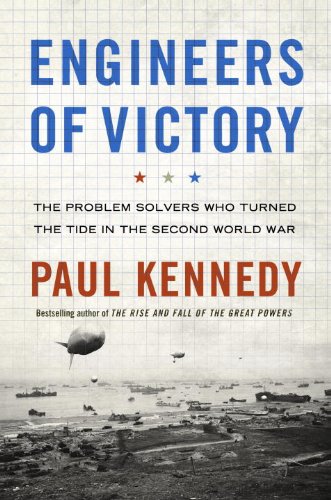
Engineers of Victory:
The Problem Solvers Who Turned The Tide in the Second World War
Hardcover (464 pages), kindle
The story of WWII is often told as a grand narrative, as if it were fought by supermen or decided by fate. But the real heroes of the war were the brilliant engineers whose creative strategies, tactics, and organizational decisions made the lofty Allied objectives into a successful reality.
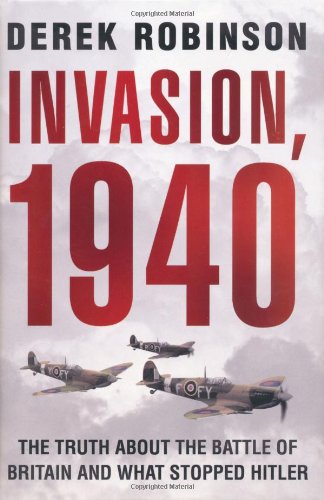
Invasion, 1940:
The Truth About the Battle of Britain and What Stopped Hitler
Hardcover (320 pages), paperback, kindle
The Battle of Britain ended and Hitler's planned invasion died. One followed the other, so the first must have caused the second, right? Well, this book challenges that assumption.
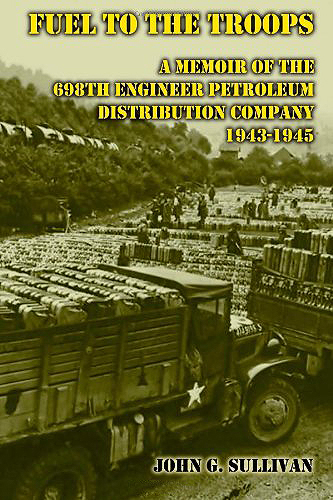
Fuel to the Troops:
A Memoir of the 698th Engineer Petroleum Distribution Company 1943-1945
Hardcover (330 pages), paperback
Although more of a series of anecdotes, than a regular narrative, this book nevertheless manages to inform the reader about a side of war that no one ever seems to think about: supply and engineering.

Spread Spectrum:
Hedy Lamarr and the mobile phone
Paperback (256 pages), kindle
She was labelled "the most beautiful girl in the world" and her partner "the bad boy of music" yet way back in 1942 they took out a patent covering the vital radio technique that we now call spread spectrum.
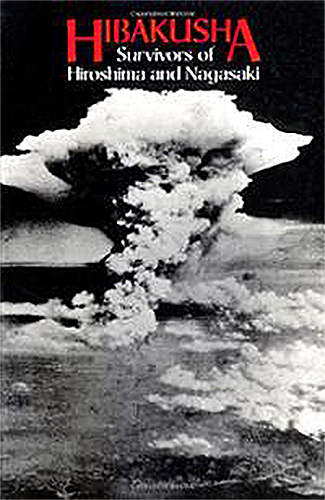
Hibakusha:
Survivors of Hiroshima and Nagasaki
Paperback (206 pages)
Recollections of activities, emotions, and devastation experienced by real people on and since August 6, 1945. They tell their heart-breaking stories to make a point... that it must never happen again!
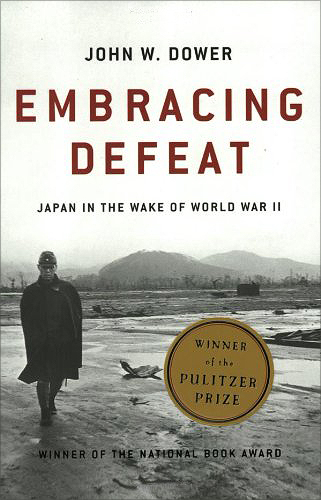
Embracing Defeat:
Japan in the Wake of World War II
Hardcover (688 pages), paperback, kindle, audiobook
Where America's war against Japan lasted less than 4 years, Japan had been fighting for 15 and was left in ruins. The collapse of Japan's authoritarian state enabled America's six-year occupation to set Japan in entirely new directions.
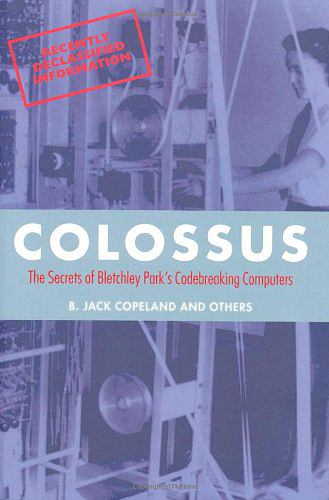
Colossus:
The secrets of Bletchley Park's code-breaking computers
Paperback (480 pages), kindle
The American ENIAC is customarily regarded as the first electronic computer, but this fascinating book argues that in reality Colossus - the giant computer built in Bletchley Park by the British secret service during WWII - predates ENIAC by two years.
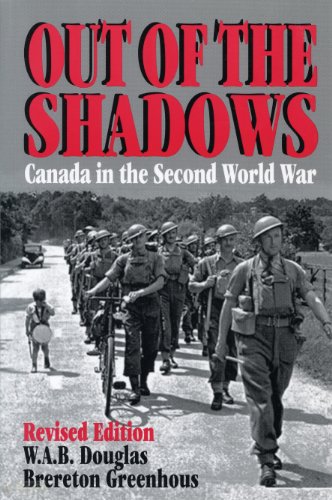
Out of the Shadows:
Canada in the Second World War
Paperback (304 pages), kindle
A general overview of Canada's contribution to the Second World War and of the war's effect on Canada's evolution.

Rosenstrasse
DVD (German with English subtitles)
In the cold Berlin winter of 1943, hundreds of brave women stood in defiance of the Nazis, screaming and howling for the release of their husbands held in a factory on a street named Rosenstrasse.

48-Star American Flag
3' x 5'
The occasion that might call for a 48-star American flag is up to you, but if and when you need one, here it is. Long did she wave for more than 47 years!

Lego Army Men "On Patrol" Set
4 minifigures, 1 jeep, 1 stretcher and misc equipment
One of the four green Army Men gets injured and falls behind. Only his army buddies with their handy equipment and army jeep can rescue him and complete the mission in time!

World War II Lego Compatible Weapons Pack
23 pieces
Arm your little Lego minifigures with World War II era weapons!