


599 items in the WWII Store
Show listings by category...


The War Against The Nazi U-Boats 1942 - 1944:
The Antisubmarine Command
Paperback (181 pages), kindle
To fight the sinking of ships carrying supplies to England, an audacious plan was created to counter the German submarines using long-range B-24 bombers.
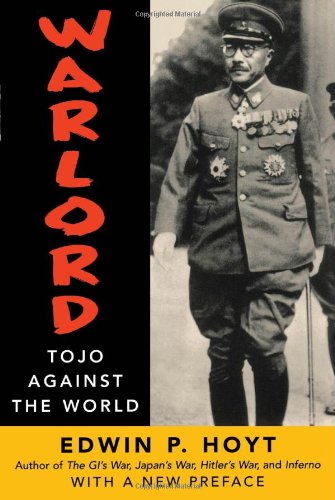
Warlord:
Tojo Against the World
Paperback (280 pages), kindle
Vilified in the West as the Japanese equivalent of Hitler, Hideki Tojo was cut from very different cloth.
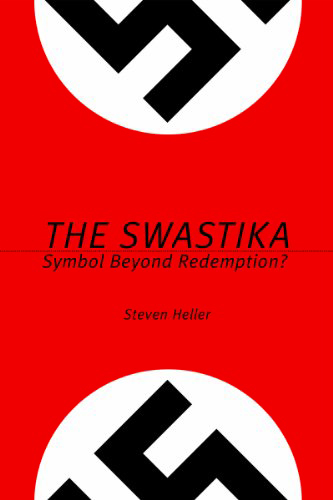
The Swastika:
Symbol Beyond Redemption?
Hardcover (184 pages), paperback, kindle
The rise and fall of the forever tainted swastika, and its mysteries and misunderstandings, are fully explained and explored.
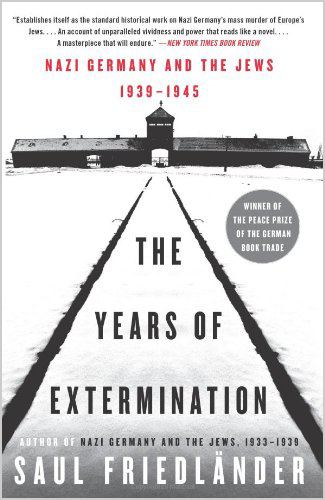
Nazi Germany and the Jews, 1939-1945:
The Years of Extermination
Hardcover (896 pages), paperback, kindle
The murder of six million Jews depended upon the cooperation of local authorities and police departments, as well as the passivity of the local populations and the victims' willingness to submit.

Hitler Came for Niemoeller:
The Nazi War Against Religion
Paperback (336 pages), kindle
The prominent Protestant pastor and outspoken Hitler foe who spent the last 7 years of Nazi rule in concentration camps is best remembered for his "First they came for..." poem.
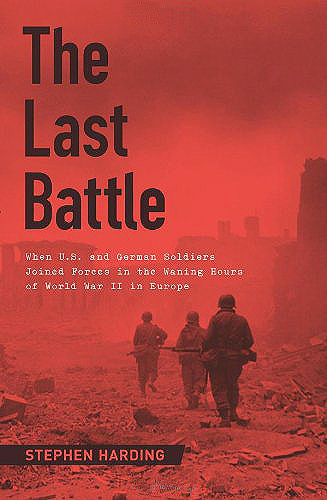
The Last Battle:
When US and German Soldiers Joined Forces in the Waning Hours of World War II in Europe
Paperback (256 pages), kindle, audiobook
Anti-Nazi German troops join forces with American soldiers to fight off a Waffen-SS Panzer division trying to recapture a castle fortress in the Austrian Alps where 14 VIP French prisoners had been held. It is the only time that American and German troops join forces in combat in World War II.
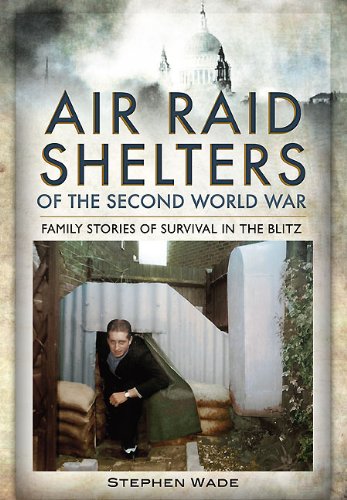
Air Raid Shelters of the Second World War:
Family Stories of Survival in the Blitz
Hardcover (192 pages), kindle
The design, creation and use of British air raid shelters, the different types, their strength and weakness and people's experiences of staying in them.
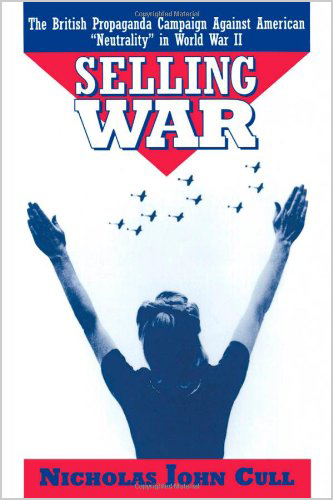
Selling War:
The British Propaganda Campaign Against American Neutrality
Paperback (304 pages), kindle
A fascinating look at how aggressive, no holds barred British propaganda brought America to the brink of war, and left it to the Japanese and Hitler to finish the job.
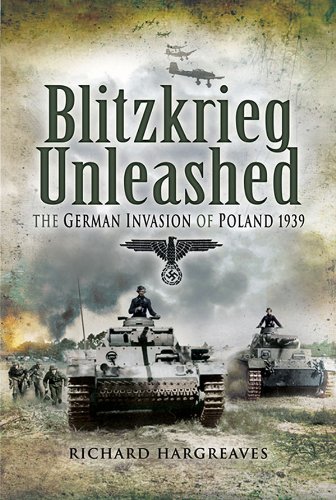
Blitzkrieg Unleashed:
The German Invasion of Poland 1939
Paperback (320 pages), kindle
On Friday, September 1, 1939 the World became aware of the awesome power of Hitler's Third Reich and the limitless and ruthless nature of his ambition.
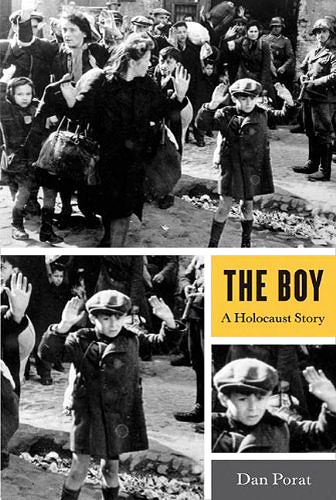
The Boy:
A Holocaust Story
Hardcover (272 pages), paperback, kindle
A child, arms high in the air. A moment captured on film, arguably the most recognizable photograph of the Holocaust. This book unpacks this split second that was immortalized on film and unravels the stories of the individuals associated with it.
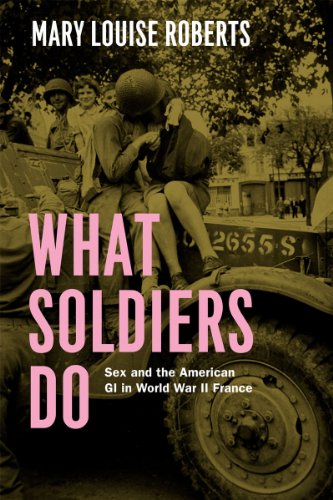
What Soldiers Do:
Sex and the American GI in World War II France
Paperback (364 pages), kindle
How do you convince men to charge across heavily mined beaches into deadly machine-gun fire? If you’re the US Army in 1944, you dangle the lure of beautiful French women, waiting just on the other side of the wire, ready to reward their liberators in oh so many ways.
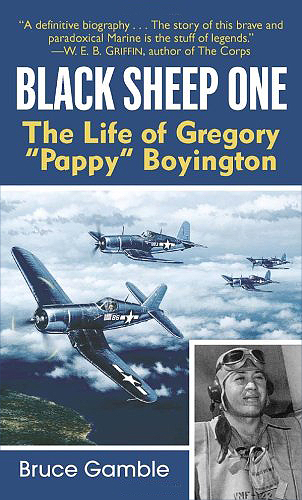
Black Sheep One:
The Life of Gregory "Pappy" Boyington
Paperback (512 pages), kindle
Black Sheep One is the first biography of legendary warrior and WWII hero Gregory "Pappy" Boyington. When the shooting stopped, the stubbornly independent Boyington lived a life that went beyond what even the most imaginative might have expected.
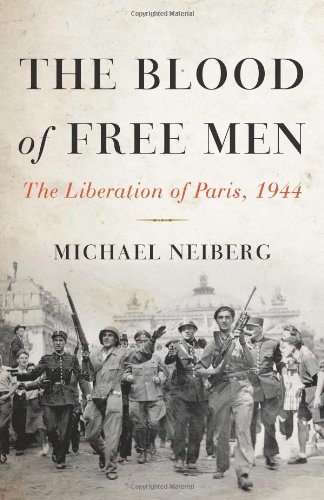
The Blood of Free Men:
The Liberation of Paris, 1944
Hardcover (352 pages), kindle
As the Allies struggled inland from Normandy in August of 1944, the fate of Paris hung in the balance. But Paris endured, thanks to a fractious cast of characters, from Resistance cells to Free French operatives.

Among The Dead Cities:
The History and Moral Legacy of the WWII Bombing of Civilians in Germany and Japan
Paperback (384 pages), kindle
One of the great remaining controversies of WWII is whether the bombing offensive against civilians in Germany and Japan was a crime against humanity or if it was justified by the necessities of war.
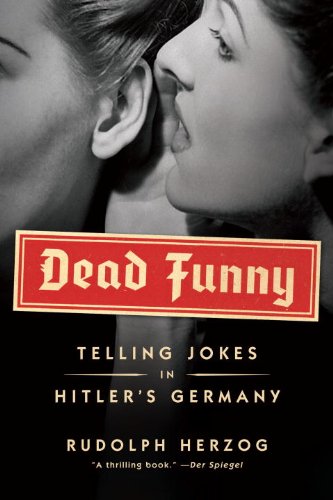
Dead Funny:
Telling Jokes in Hitler's Germany
Paperback (256 pages), kindle
In Nazi Germany, telling jokes about Hitler could get you killed. Humor was widespread during the Third Reich, but only in whispers while looking over their shoulder for someone that might turn them in to the Gestapo.
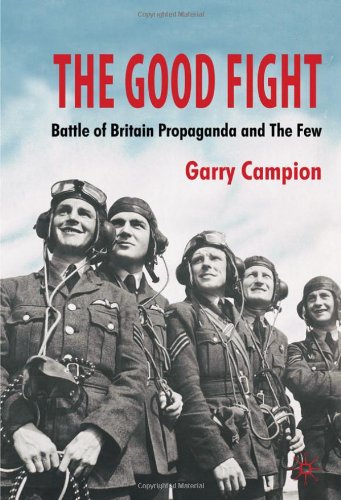
The Good Fight:
Battle of Britain Propaganda and The Few
Paperback (400 pages), kindle
Churchill's "Few" were central to national survival during the Battle of Britain, and the morale of millions was sustained through their heroism - a potent propaganda victory within a military success.
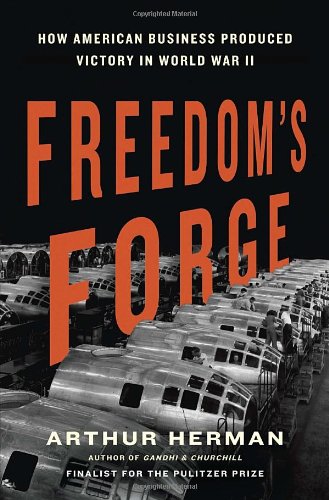
Freedom's Forge:
How American Business Produced Victory in World War II
Hardcoer (432 pages), kindle, audiobook
Remarkable as it may seem today, there once was a time when the president of the United States could pick up the phone and ask the president of General Motors to resign his position and take the reins of a great national enterprise. And the CEO would oblige, no questions asked, because it was his patriotic duty.
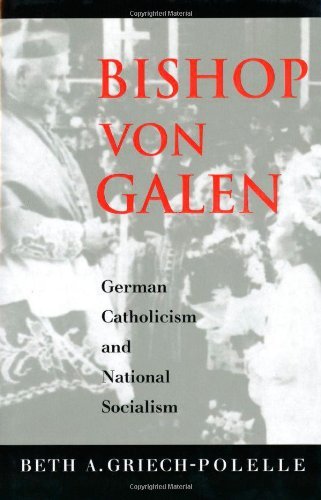
Bishop von Galen:
German Catholicism and National Socialism
Hardcover (272 pages), kindle
Clemens August Graf von Galen, Bishop of Munster from 1933 until his death in 1946, is renowned for his opposition to Nazism, most notably for his public preaching in 1941 against Hitler's euthanasia project to rid the country of sick, elderly, mentally retarded, and disabled Germans.
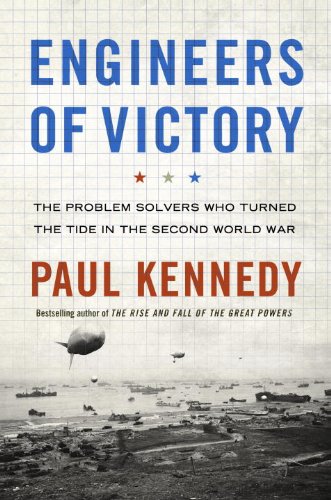
Engineers of Victory:
The Problem Solvers Who Turned The Tide in the Second World War
Hardcover (464 pages), kindle
The story of WWII is often told as a grand narrative, as if it were fought by supermen or decided by fate. But the real heroes of the war were the brilliant engineers whose creative strategies, tactics, and organizational decisions made the lofty Allied objectives into a successful reality.
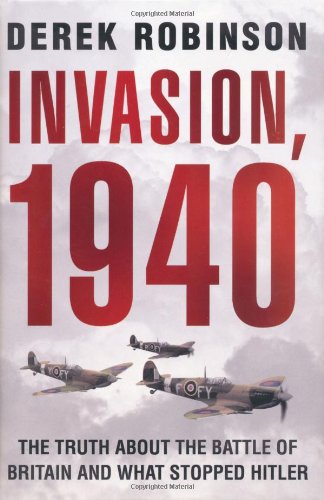
Invasion, 1940:
The Truth About the Battle of Britain and What Stopped Hitler
Hardcover (320 pages), paperback, kindle
The Battle of Britain ended and Hitler's planned invasion died. One followed the other, so the first must have caused the second, right? Well, this book challenges that assumption.