599 items in the WWII Store
Show listings by category...

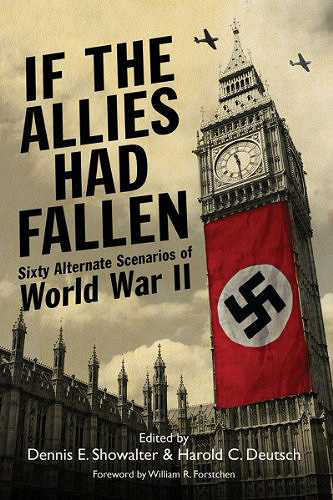
If the Allies Had Fallen:
Sixty Alternate Scenarios of WWII
Paperback (304 pages), kindle, audiobook
From the Munich crisis and the dropping of the atom bombs to Hitler’s declaration of war on the US and the D-Day landings, historians suggest "what might have been" if key events in World War II had gone differently.
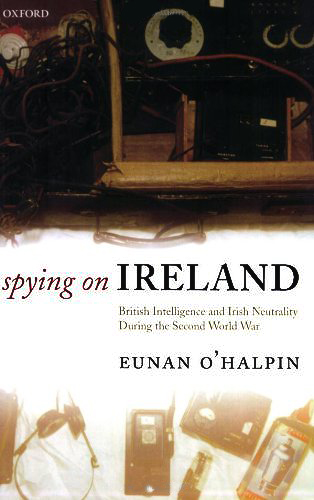
Spying on Ireland:
British Intelligence and Irish Neutrality during the Second World War
Paperback (360 pages), kindle
How Britain dealt with challenges in Ireland through a combination of diplomacy, covert gathering of intelligence, propaganda, and intimidation.
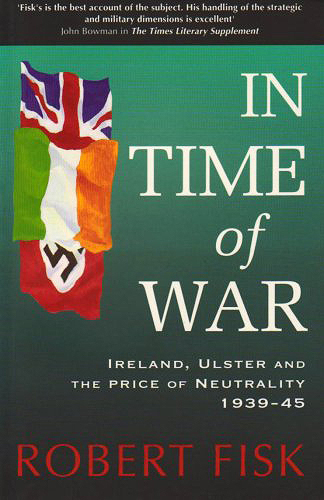
In Time of War:
Ireland, Ulster and the Price of Neutrality 1939-1945
Paperback (672 pages)
A fascinating study of Ireland during WWII and their struggle to maintain neutrality.
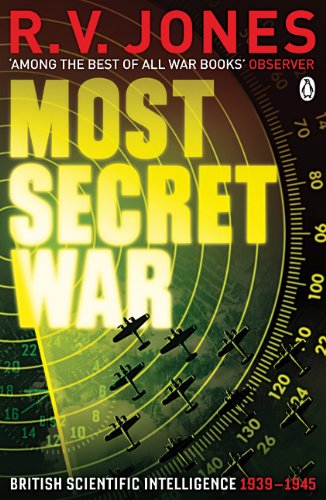
Most Secret War
Paperback (608 pages)
How Britain stealthily stole the war from under the Germans' noses by outsmarting their science and technology in the "Battle of the Beams."
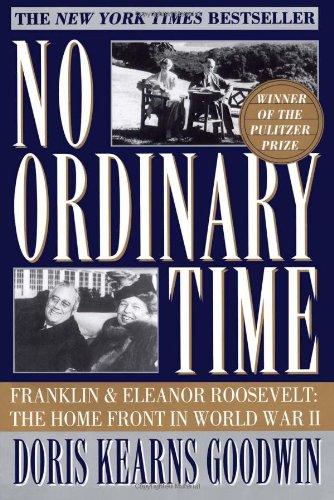
No Ordinary Time:
Franklin and Eleanor Roosevelt: The Home Front in World War II
Paperback (768 pages), kindle, audiobook
Pulitzer Prize winning chronicle of one of the most vibrant and revolutionary periods in the history of the United States and an intimate portrait of Eleanor and Franklin Roosevelt during a time in which a new, modern America was born.
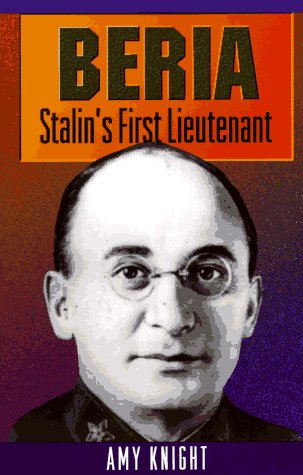
Beria:
Stalin's First Lieutenant
Paperback (338 pages)
Lavrentii Beria came to symbolize all the evils of Stalinism, yet eventually found himself a victim of Soviet purges, too.
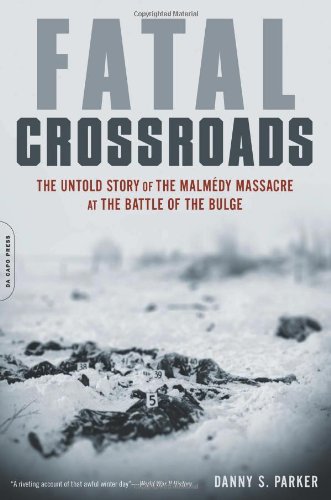
Fatal Crossroads:
The Untold Story of the Malmedy Massacre at the Battle of the Bulge
Paperback (432 pages), kindle
Reconstruction of the story of the largest single atrocity committed against American POWs on the Western front in World War II.
Strange Company:
Military Encounters with UFOs in World War II
Paperback (320 pages), kindle
While an immense twentieth century war was raging on Earth, there appeared to be someone, or something, from somewhere else, watching us.
The Winter War:
Russia's Invasion of Finland, 1939-1940
Paperback (352 pages), kindle
The Red Army invaded the young nation-state of Finland, in the full expectation of routing the small, ill-equipped Finnish army. But Finland held out for 105 bitterly cold, fiercely combative days, until a peace agreement ended the short, savage Winter War.
The Rape Of Nanking:
The Forgotten Holocaust Of World War II
Paperback (360 pages), kindle, audiobook
The eastern Chinese city of Nanking served as a kind of laboratory in which Japanese soldiers were taught to slaughter unarmed, unresisting civilians, as they would later do throughout Asia, with a death toll exceeding that of the atomic blasts of Hiroshima and Nagasaki combined.
Then & Now
The Sheffield Blitz
Kindle only (~107 pages)
Anyone too young to remember WWII may find it hard to imagine just how devastated Sheffield was by two German raids in December 1940.
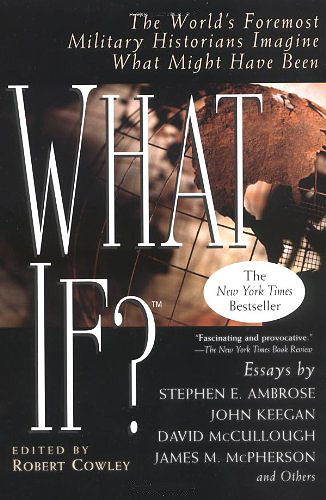
What If?
The World's Foremost Military Historians Imagine What Might Have Been
Paperback (416 pages), kindle
Armchair quarterbacking in hindsight. Pointless? Fruitless? Perhaps. But when played well, the "what if" game can be very eye opening.
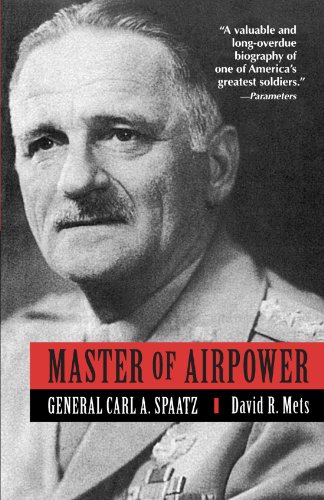
Master of Airpower:
General Carl A. Spaatz
Paperback (430 pages), kindle
A quiet, unpretentious man, Spaatz was not a colorful figure but he was a first-class military leader and organizer.
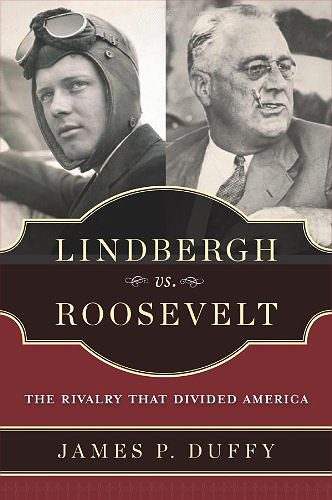
Lindbergh vs Roosevelt:
The Rivalry That Divided America
Hardcover (270 pages), kindle, audiobook
Was Charles Lindbergh a Nazi sympathizer and anti-Semite? Or was he the target of a vicious personal vendetta by President Roosevelt?

The Clash:
US - Japanese Relations Throughout History
Paperback (544 pages)
The disagreements, tensions and skirmishes between a closely knit society terrified of disorder and an open-ended society that continually seeks an international marketplace.
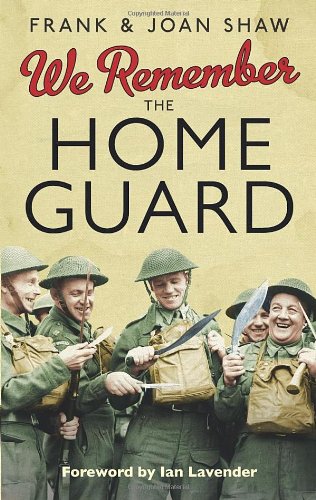
We Remember the Home Guard
Hardback (384 pages), kindle, audiobook
Their weapons and ammunition were negligible at first, but slowly these amateur soldiers began to produce professional results.
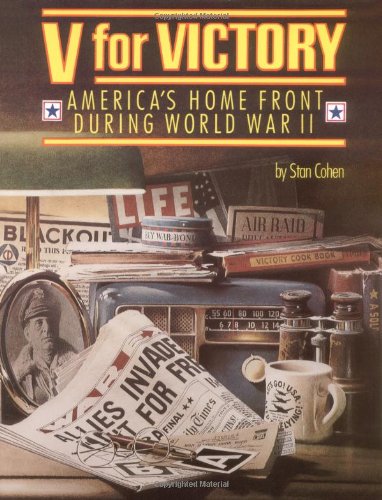
V for Victory:
America's Home Front During World War II
Paperback (408 pages)
A superb collection of reprinted ads, posters, memorabilia, articles, and photos providing an intimate look at America's home front.
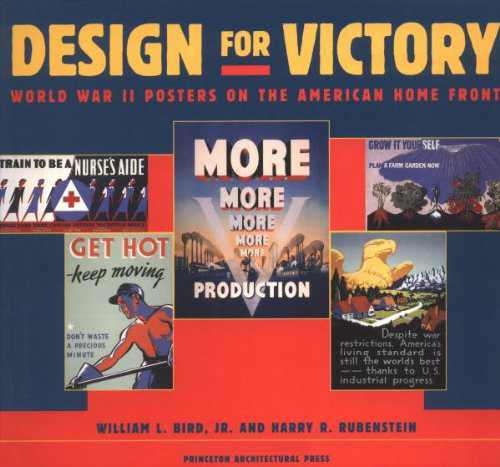
Design for Victory:
World War II Posters on the American Home Front
Paperback (120 pages)
A colorful, informative and inspirational collection of over 150 WWII-era posters focuses on the theme of wartime production on the home front.
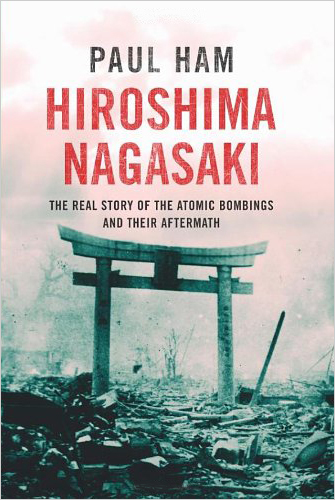
Hiroshima Nagasaki
Paperback (528 pages), audiobook
A narrative history of the nuclear attack told from both the Japanese and American viewpoints. The bombs were "our least abhorrent choice," American leaders claimed at the time.